
Food: The Quickest Common Language Among Cultures
When we travel to a new region, learning the language or fully grasping complex customs may take time, but sitting at a local table serves as a powerful shortcut. The first bite of a traditional dish feels like a decoder of the history, climate, and philosophy of life of the people of that land. The aroma of spices, fresh herbs, and traditional cooking methods reveal the hidden identity of each culture, building a sensory and unforgettable experience.
Local Kitchens: Living Museums of History and Climate
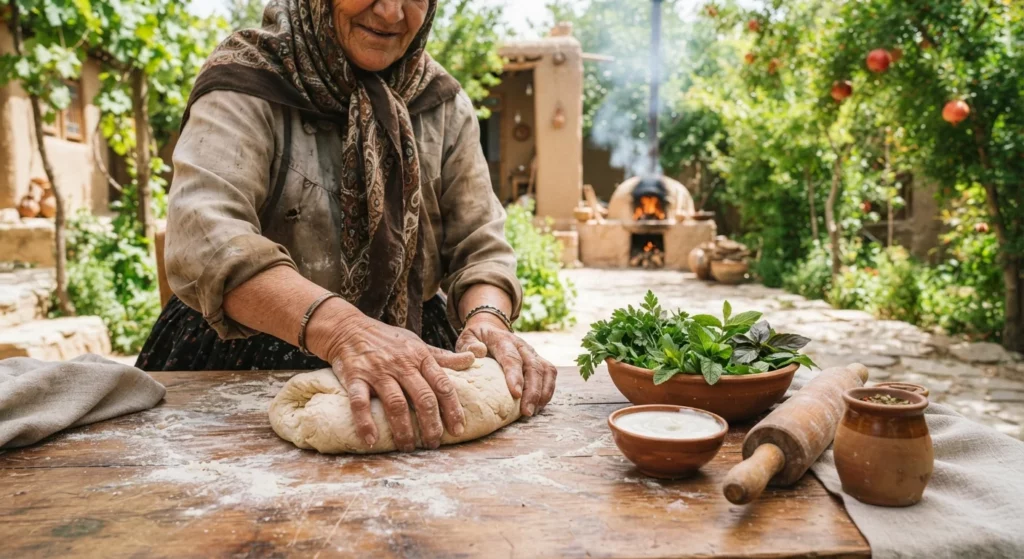
The traditional cooking of any region is the direct product of its climate, natural resources, and the hard or easy living conditions of ancestors. Desert dishes with warm temperaments and special spices, northern recipes featuring fresh herbs and local pickles, and mountainous meals rich in meats and legumes all reflect geographic identity and human adaptation to nature. Participating in cooking these dishes in local homes is a journey into the living, ongoing history of the people.
Local Markets: The Beating, Colorful Heart of Indigenous Culture
To discover authentic flavors before heading to modern restaurants, you must step into the winding alleys of local markets. Watching the colorful displays of native fruits, local cheeses, aromatic herbs, and freshly caught fish is a feast for your eyes and senses. Chatting with local vendors about how ingredients are prepared forms the most intimate part of culinary tourism.
How to Be a Conscious Foodie Traveler
To experience food culture more deeply while traveling, skip international restaurants and seek out small home kitchens, clean street food stalls, and eco-lodges. Do not fear tasting unfamiliar flavors, and let baristas, local grandmothers, and native cooks invite you into the world of new tastes. This culinary curiosity of yours directly supports the local economy and preserves intangible cultural heritage.
Conclusion
Traveling through flavors is a journey that nourishes both body and soul. Every local dish tells a story of love, suffering, joy, and the culture of the people who cooked it. We suggest dedicating at least one full day on your next trip to learning how to cook a traditional dish with the help of locals and savoring the true taste of life.